Formaldehyde Removal After Renovation in Singapore
Formaldehyde removal is an add-on to our post-renovation clean. It is not part of the standard package, so you add it when you book and we quote it separately. Before any treatment, Singapore's National Environment Agency (NEA) says the most effective way to remove formaldehyde is ventilation, so this page starts there.
Where does formaldehyde come from after a renovation?
In a renovated home, formaldehyde can be released by some of the building products that went in. NEA names three: composite wood products and some adhesives, which can be made with formaldehyde-based resins, and some interior paints, where it may be added as a preservative. NEA notes that short-term exposure may cause irritation of the eyes, nose, skin and throat in some people.
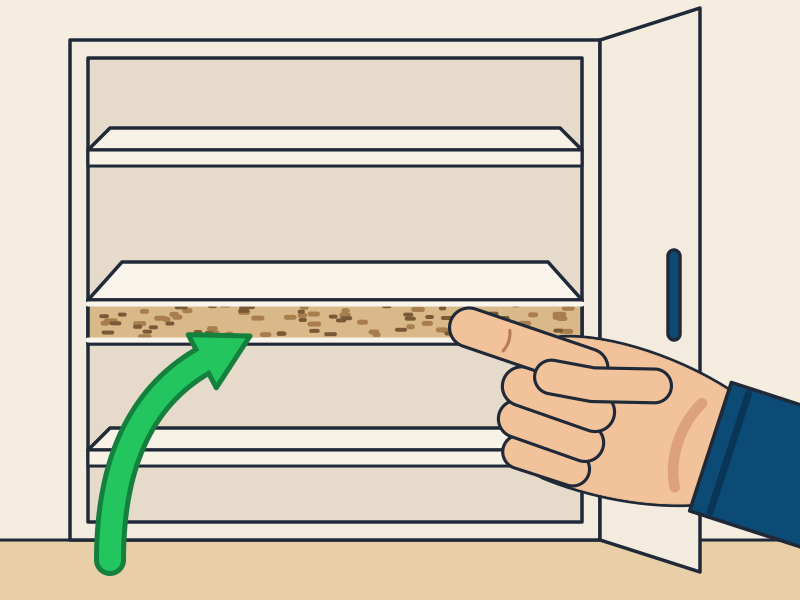
Interior paint now has a limit. Since 1 January 2026, interior paints with a formaldehyde content of 0.01% or more by weight cannot be manufactured, imported or sold for local use in Singapore. There is no such rule yet for other building products such as composite wood and adhesives; NEA says it is reviewing international practice before considering controls.
What does NEA advise you to do first?
For a home that has already been renovated, NEA's advice is to ventilate:
- Open windows and doors on opposite sides of the home so air can cross through.
- Run fans to help push the air out.
- If formaldehyde-emitting materials were installed, keep ventilating for several weeks after the work is done.
- Delay moving into heavily renovated rooms where you can.
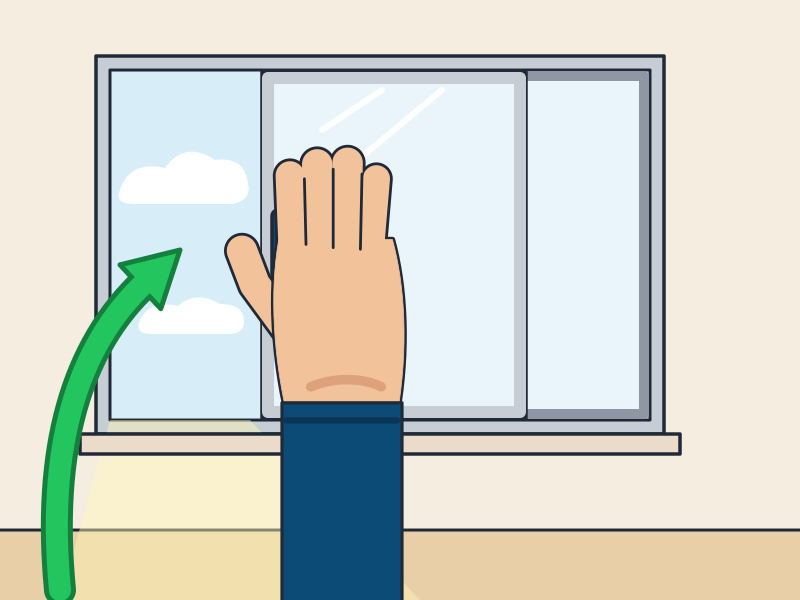
Emissions are expected to fall over time, but NEA gives no fixed number of days; it says the time needed varies from case to case. If you have problems after a renovation, such as a strong chemical smell, NEA suggests working with your contractor on a solution, and lists the Consumers Association of Singapore (CASE, 6277 5100) as a contact.
For your next purchase, NEA points to low-emission products certified under the Singapore Green Labelling Scheme or the Singapore Green Building Product scheme, and suggests asking furniture suppliers for accredited test reports on composite wood panels.
Questions to ask any formaldehyde removal company
NEA does not keep a list of approved formaldehyde removal companies or air cleaners, and does not recommend any company. It suggests you ask any provider:
- Which removal technology do you use?
- Do you have data on how well it works, and how was it tested?
- Is it safe, and does it leave any by-products?
- Does it produce ozone? NEA says products that may generate ozone during operation are not recommended.
NEA also says there is currently limited data on how well formaldehyde removal technologies work, and advises reducing sources and ventilating first.
If you want to measure formaldehyde before and after, NEA says there is limited information on how accurate low-cost sensors are. It advises a calibrated meter, for example one with a NIST calibration certificate, or a laboratory accredited by the Singapore Accreditation Council (SAC). NEA itself does not offer testing.
How to book our formaldehyde removal add-on
It is booked together with the clean:
- Add it to your post-renovation booking. Tell us on WhatsApp that you want formaldehyde removal along with the clean.
- Pricing on request. It is quoted separately from the standard package.
- When to book. We suggest about 1.5 weeks ahead. If a slot is free, we can sometimes take a booking one day before.
- Payment. PayNow or bank transfer. A $100 deposit secures the slot; the balance is paid after the job, before the crew leaves.
- Islandwide. There is no extra travel charge anywhere in Singapore.
We usually reply within 1 to 20 minutes, and our admin is available every day from 9am to 10pm.
What the standard clean covers, and what it does not treat
The standard post-renovation clean deals with renovation dust: floors vacuumed and mopped, cabinets wiped, windows, tracks and grilles cleaned, and a preventive anti-mould spray in wet areas. It does not treat formaldehyde. See what each standard clean includes and the price list by flat type. If you are preparing an HDB flat, our guide on how to prepare your HDB for a post-renovation clean covers the steps before the cleaning day. For how a clean runs on the day, see what to expect on the cleaning day.
Common questions
Can formaldehyde be removed?
Levels in a home can come down. NEA says emissions are expected to fall over time and that ventilation is the most effective way to remove formaldehyde; it also advises choosing low-emission materials to reduce sources. A removal service is an extra step you can ask about, using the questions above.
How long does it take to get rid of formaldehyde?
There is no fixed time. NEA says emissions fall over time but the period varies from case to case, and suggests ventilating for several weeks after formaldehyde-emitting materials are installed.
How much does formaldehyde removal cost?
With us it is an add-on, priced on request and quoted separately from the standard package. Mention it on WhatsApp when you ask for your post-renovation quote.
Source: National Environment Agency, Formaldehyde in Interior Building Products (last updated 16 April 2026).